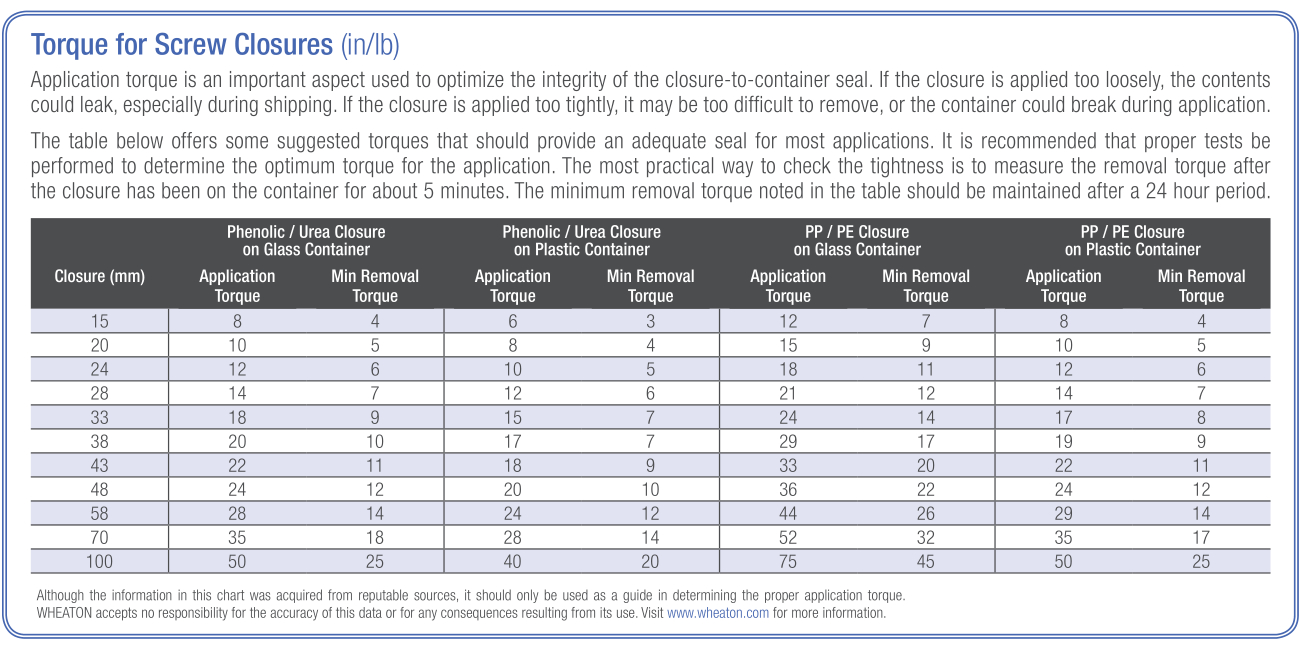
I was pleasantly surprised to be able to get through (in the Wheaton Tech Support department) to a fellow who is knowledgeable and informative (imagine that !) about these two types of caps (the Phenolic with LDPE cone assembly, and the PTFE Teflon-lined caps - the “F217” designator associated with the original once patent-holding manufacturer).
Relative to the quality and durability of an air-seal:
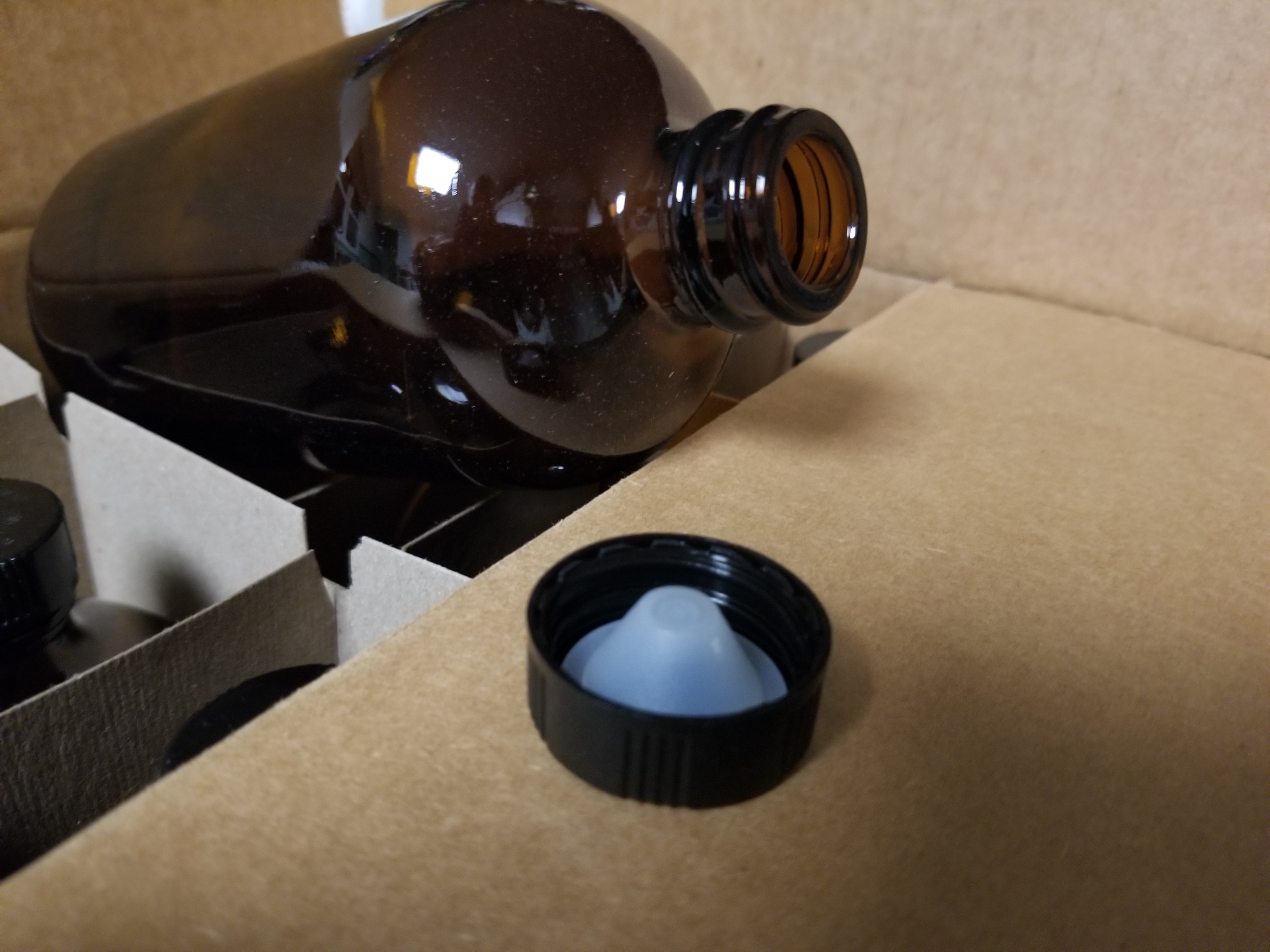
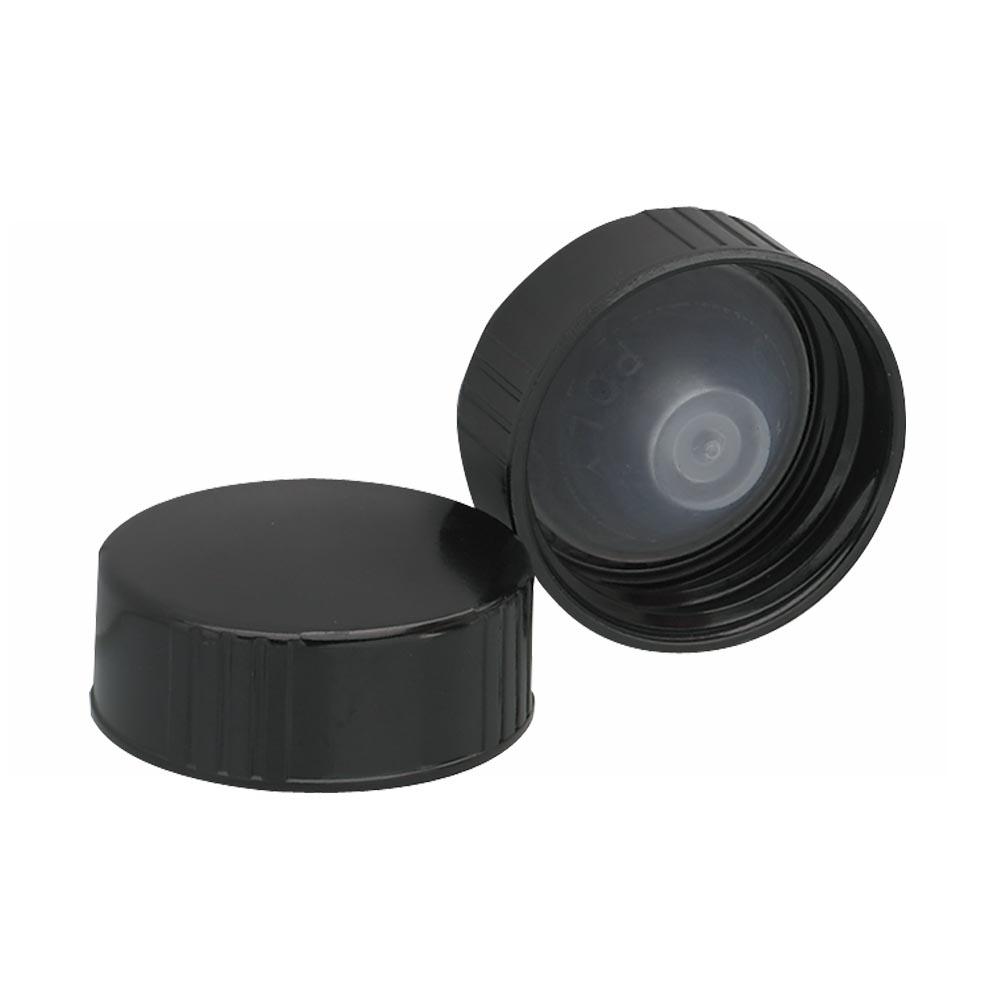
First, the Phenolic with LDPE Cone assembly. He says that (most) of these items work pretty well - and that if they fail, it is generally something that occurs early-on when tightening. Good to know that any defects would (likely) show up early in the process of their use.
Second, the PTFE Teflon-lined items that I have been considering, and which we have been wondering about. He says that the Teflon layer is very thin (a few thousands of an inch). While the Teflon material (itself) may not adequately conform to “hills and valleys” that exist on the glass bottle neck top-surface (which are too small to see/ feel), the layer of plastic backing the Teflon cause the system to work well for making an air-seal. The potential problems with this type can arise if/when containers are transported and shipped. The combination of vibration/shocks and (if/when the container is horizontal) the contents contacting the inside of the cap assembly can (potentially) result in tiny breaches of the (otherwise reliable) air-seal. He was a bit surprised to hear about the Cary Company’s disclaimer (that @SessionDrummer found), stating that this technology did not make an air-seal. We casually surmised that they (Cary Company) are likely covering themselves for all possible usage cases - including transport with vibration/shocks, horizontal positioning of the container, etc.
We discussed the likelihood (or lack thereof) of potential chemical attack over time by the strongly basic Nicotine molecules in higher concentrations on both LDPE as well as Teflon (the latter being quite unlikely). Neither of us have specific testing information, and we casually surmised that it is (probably) the case that at the low temperatures of freezer storage, and when the solution is not often or for very long contacting the LDPE cone assembly, this is probably not a likely occurrence.
So, in the end, it appears that both options are relatively viable ones (if/when not transporting, or removing and then re-torquing the cap onto the bottle a lot, anyway). It would indeed be very nice not to have to worry about any potential air-seal breaches in various (non-ideal, but possible) scenarios.
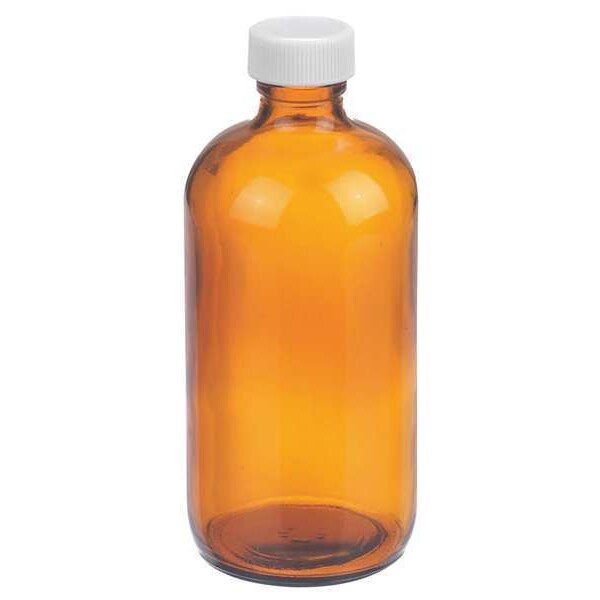
Largely due to the “Bezos Free Shipping Effect”, the Amber 8 Ounce bottles with Phenolic, LDPE Cone Assembly caps (at 12-piece prices) would be nearly $7 USD less expensive that the Wheaton Clear Glass 8 Ounce bottles with PTFE-lined caps.
As well, the “Fulfilled by Amazon” GlassBottleOutlet items (might, possibly) be easier to get extra Phenolic with LDPE Cones (for free) - should any of them prove to be defective. So, that’s the “long and short of it”.